Bengal Renaissance Project
A Biochar Revolution. From India. For the World.A New Hope
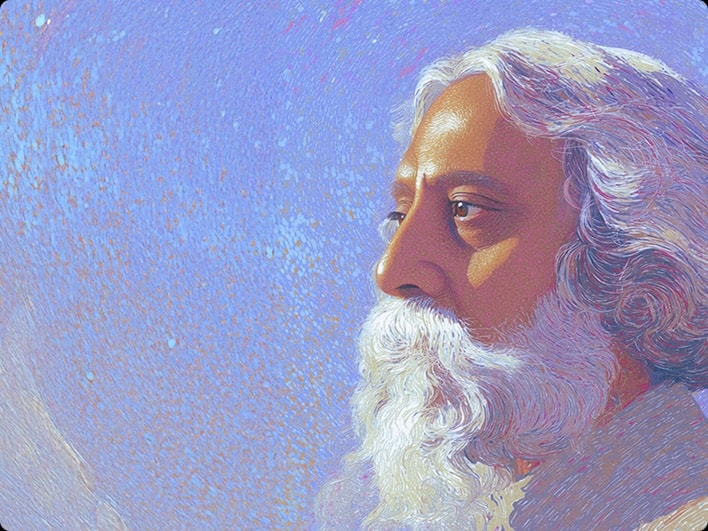
The Bengal Renaissance, spanning the 19th and early 20th centuries, was a cultural, social, intellectual, and artistic movement that took place in the Bengal region during the British Raj. The Bengal Renaissance was characterised by a socio-political awakening in the arts, literature, music, philosophy, religion, science, and other fields of intellectual inquiry. It fundamentally transformed Indian society, the nature of progression, anti-colonial politics, and sought new questions for aesthetic and philosophical enquiries.
It spanned a wide arc, producing social reformers like Raja Rammohan Roy, Nobel Laureates like Rabindranath Tagore, musicians like Kazi Nazrul Islam, artists like Abanindranath Tagore, as well as quantum mechanics physicists like Satyendra Nath Bose. Its lasting legacy can be felt in India's scientific institutions, our socio-economic progress, our educational systems, our cinema & aesthetics, our cities and ideas.


The Land Remembers

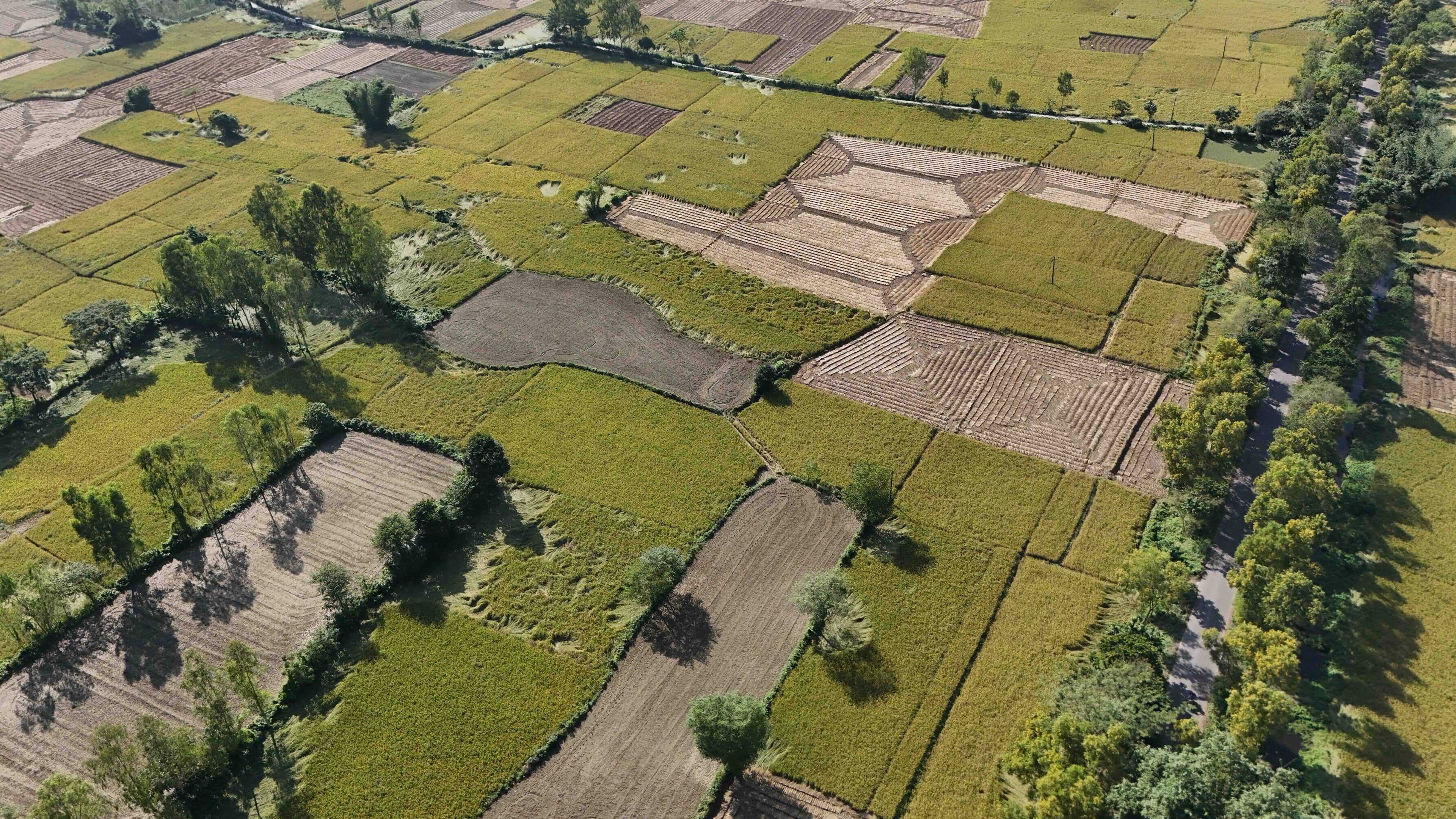
Within the span of a century, Bengal witnessed extraordinary creativity and unthinkable tragedy. The legacy of the Bengal Renaissance gave way to the Great Bengal Famine of 1943. Millions perished and vast stretches of farmland collapsed. That memory lives on in today’s soil.
The Bengal Renaissance Project is an attempt to stitch vitality back into the soil with biochar. We aim to reverse the decline in soil organic carbon across Eastern India, where monoculture has taken its toll, and much of Bengal’s rural economy is in financial distress.
Reviving Heritage
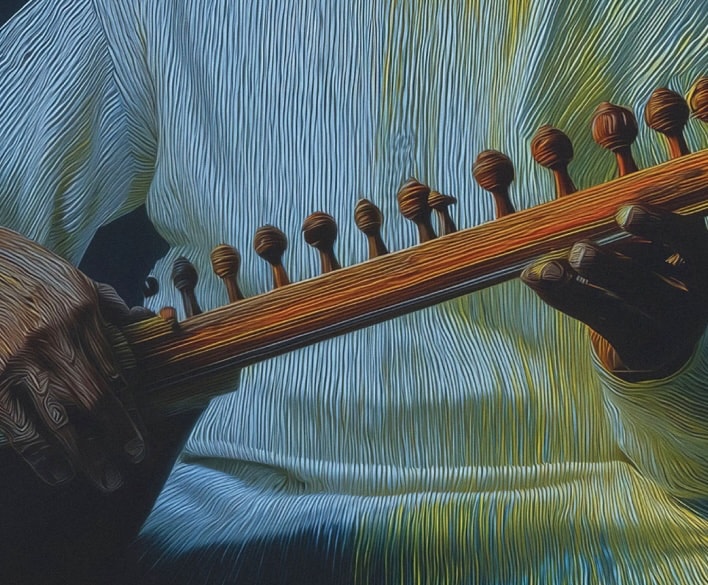
We transform locally sourced waste biomass into ancient biochar. The porous structure of biochar allows it to hold water, nutrients and microbial life, creating the conditions for long-term fertility.
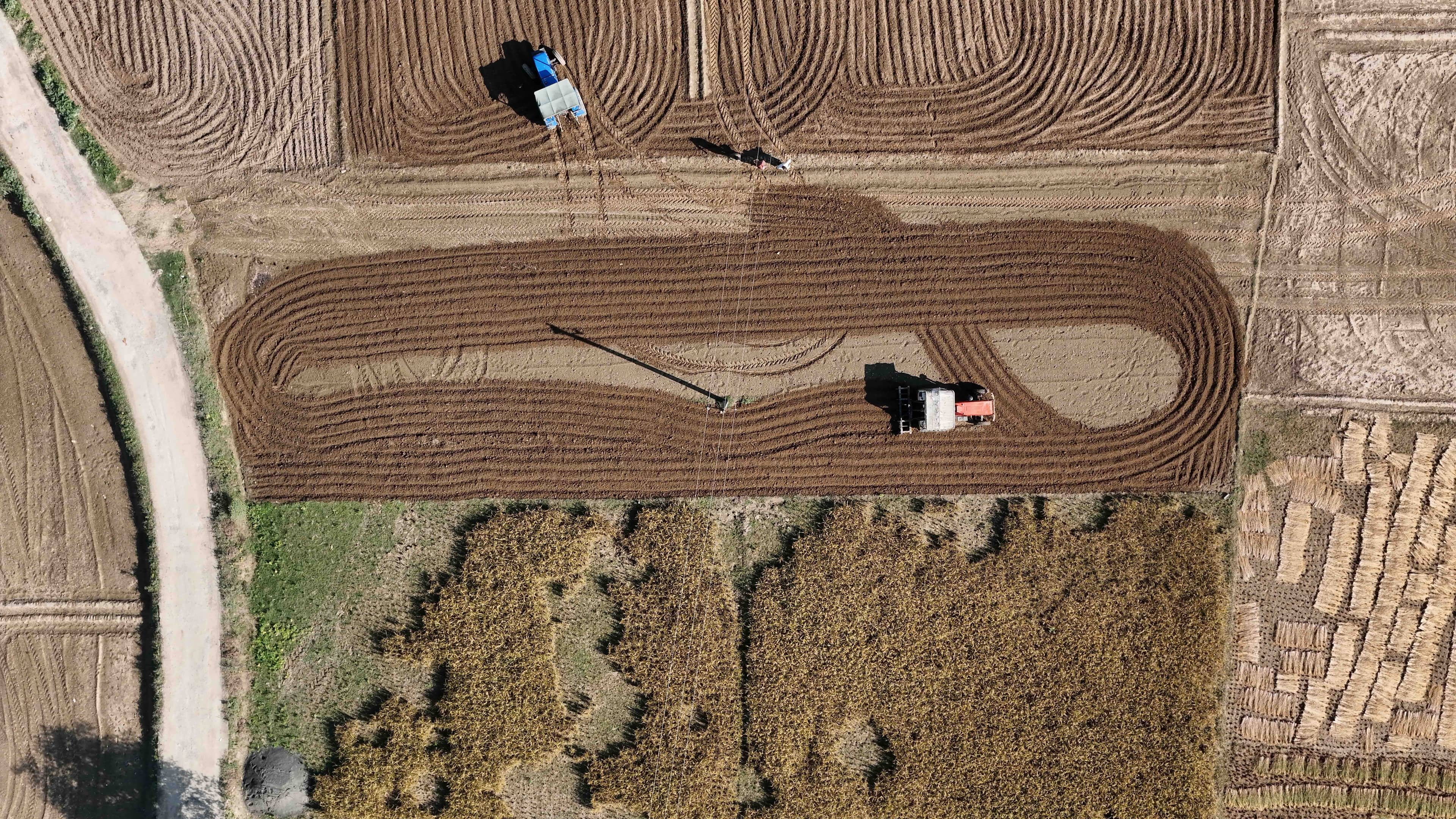
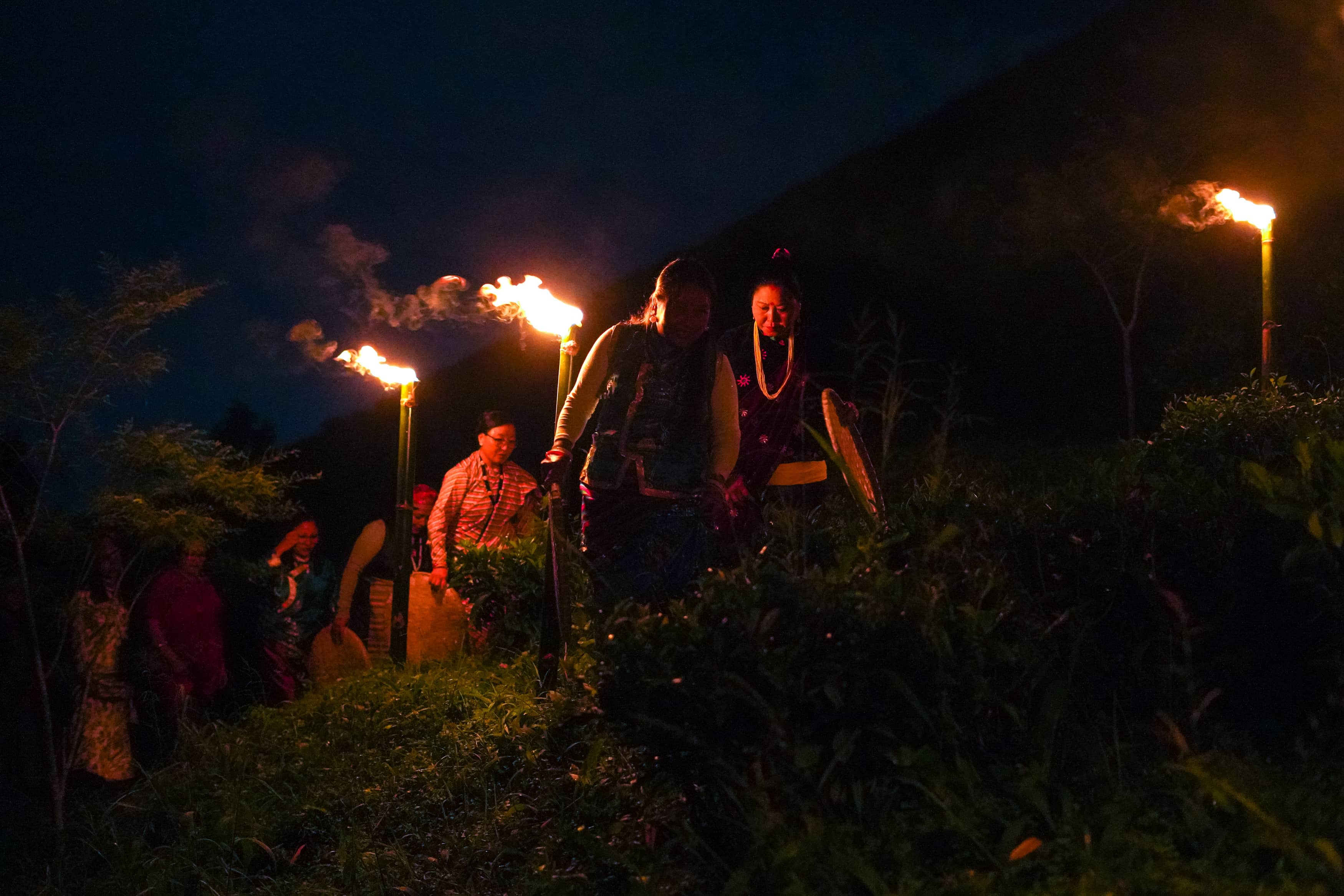
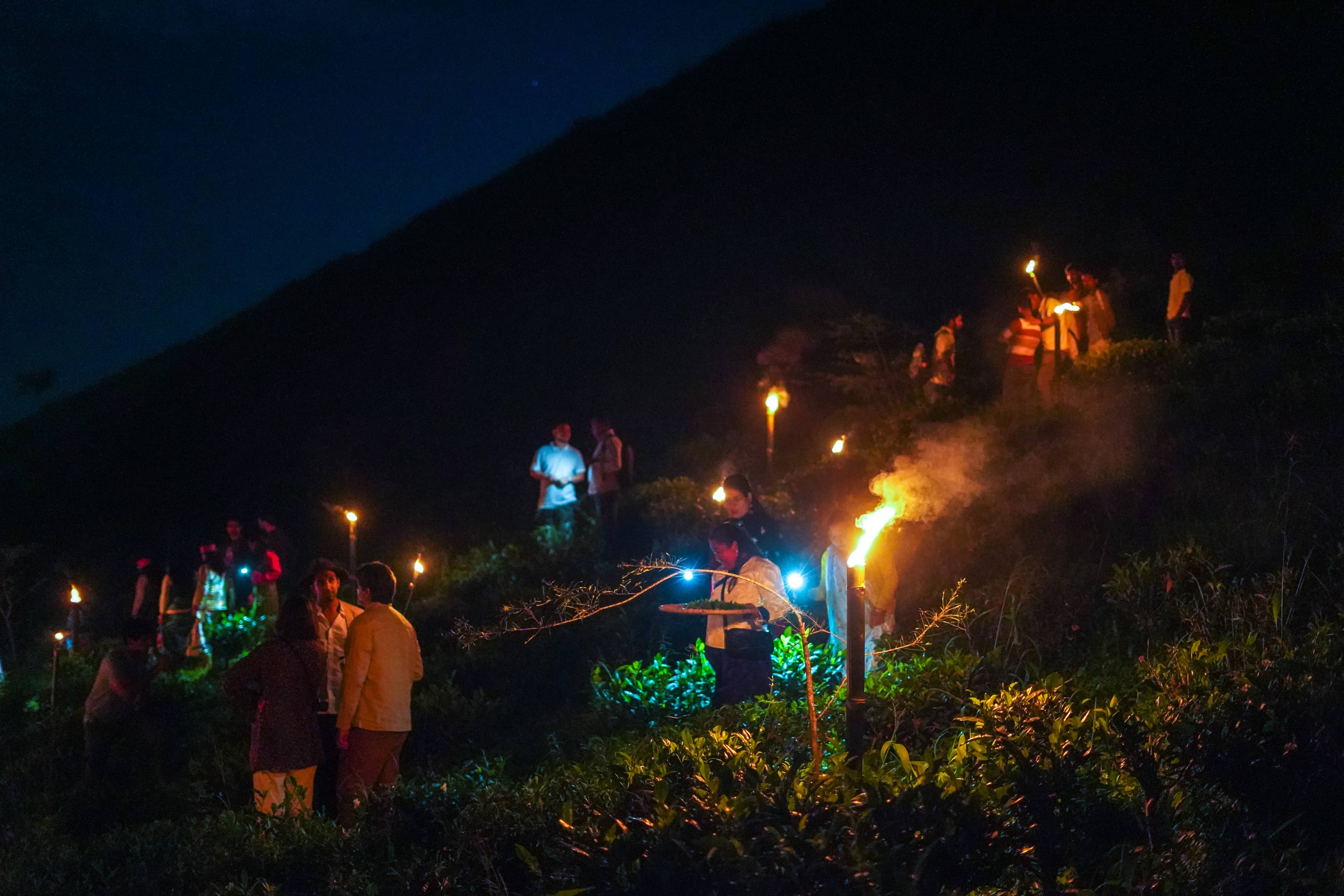
Working alongside tea gardens, smallholder farmers and local institutions, we embed climate action directly within existing rural economies. We integrate into the agribusinesses of Eastern India, by tapping into pruning cycles, plucking rhythms and paddy-field preparation.

Nobojagoron — an awakening
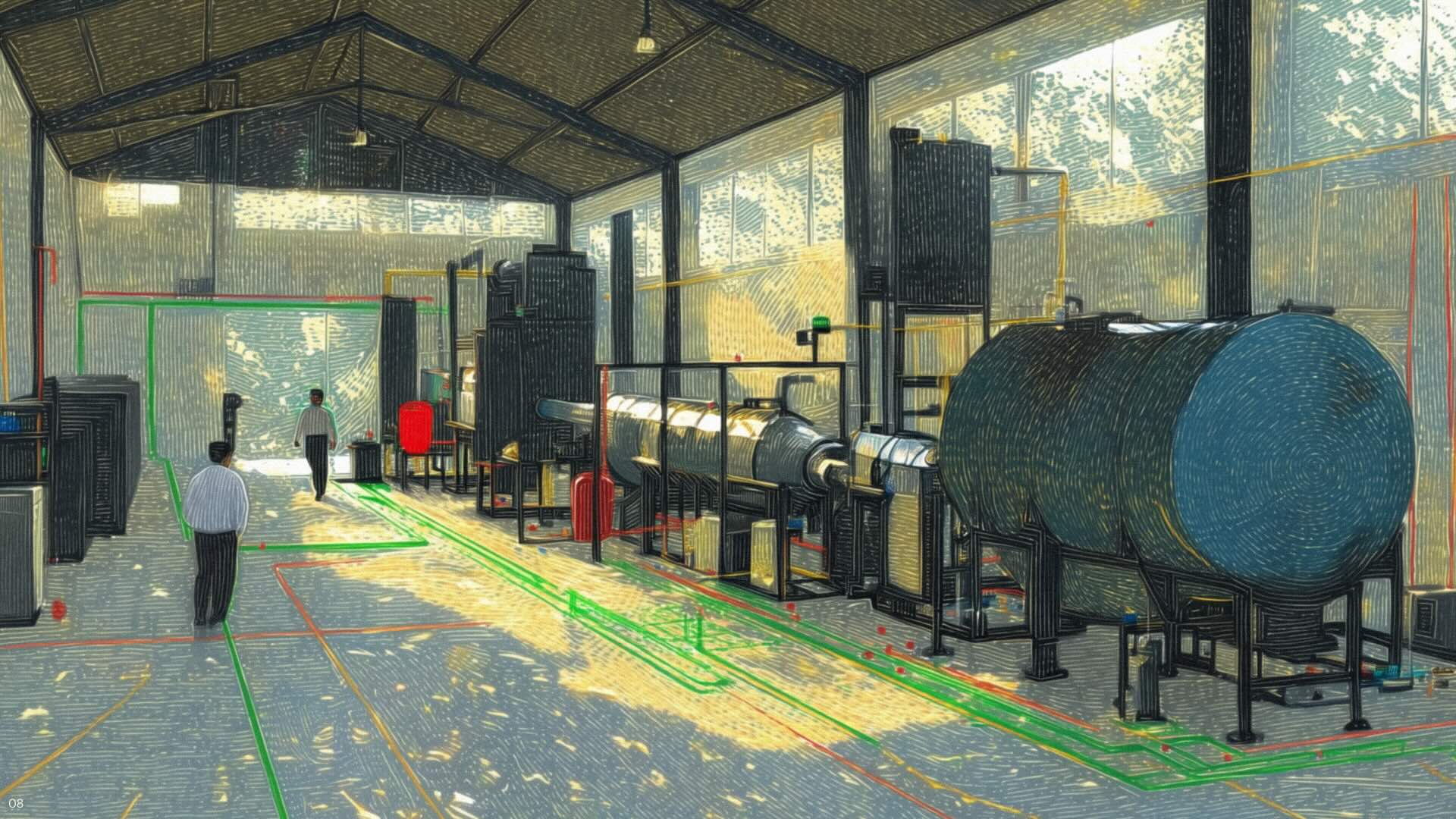
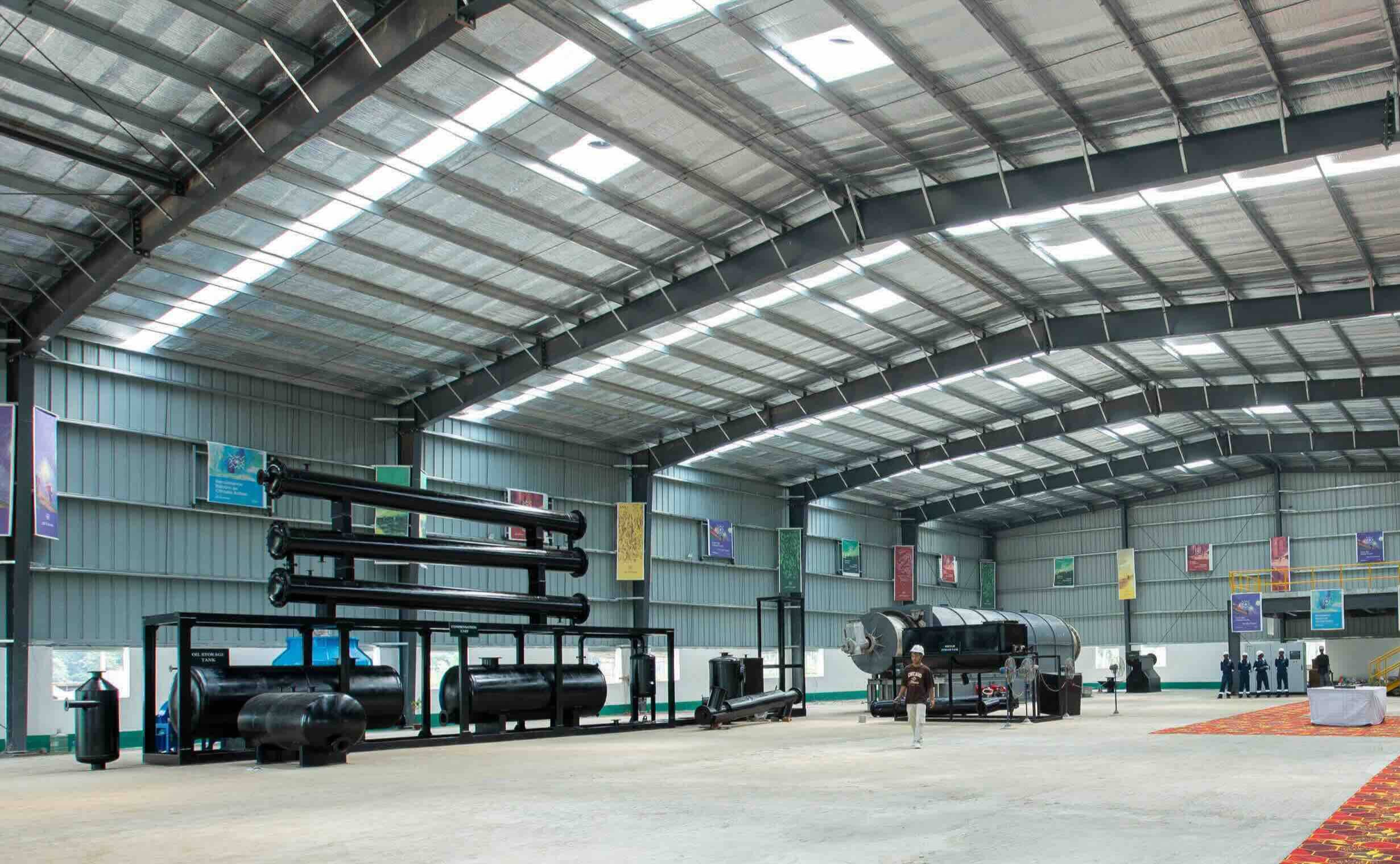
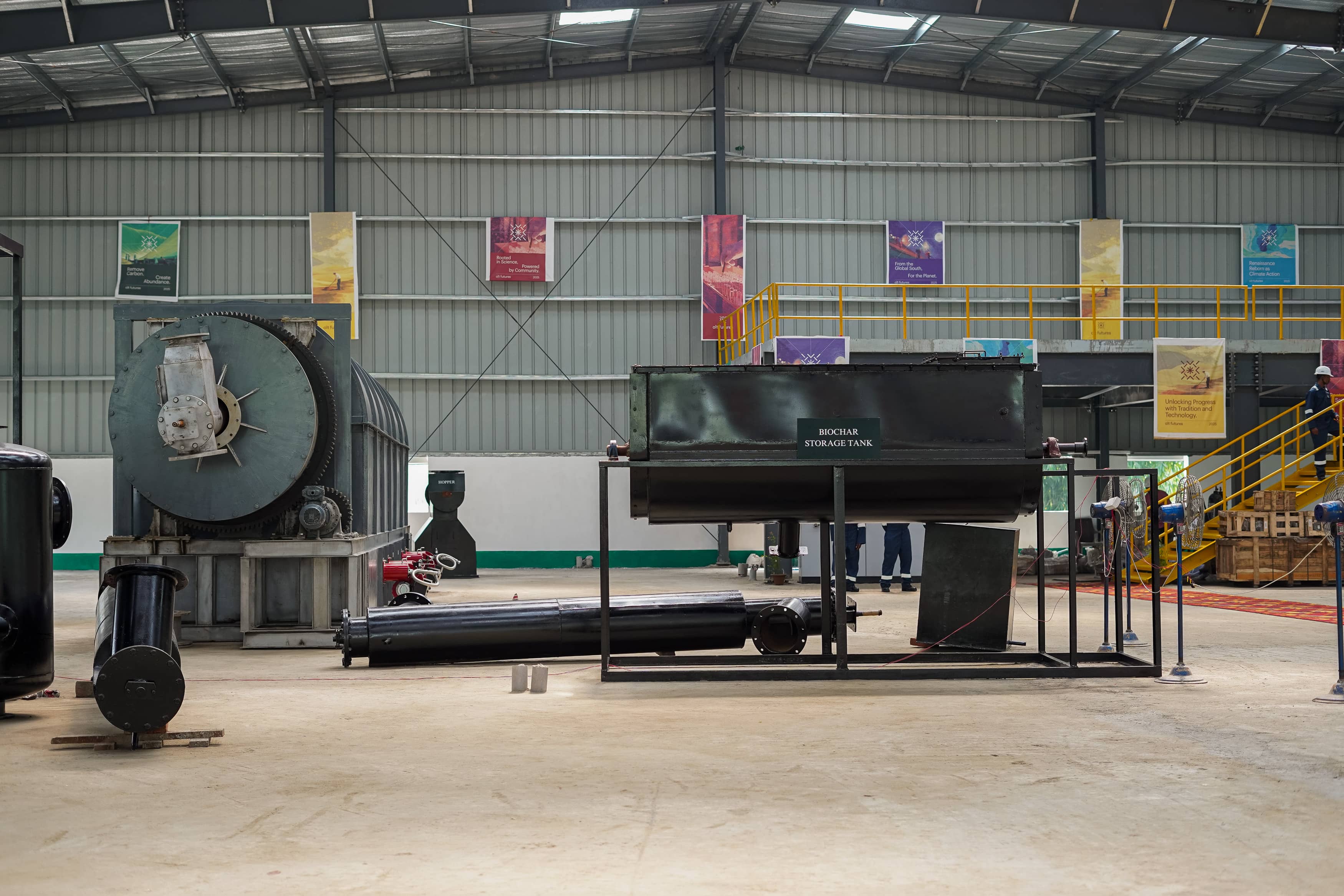
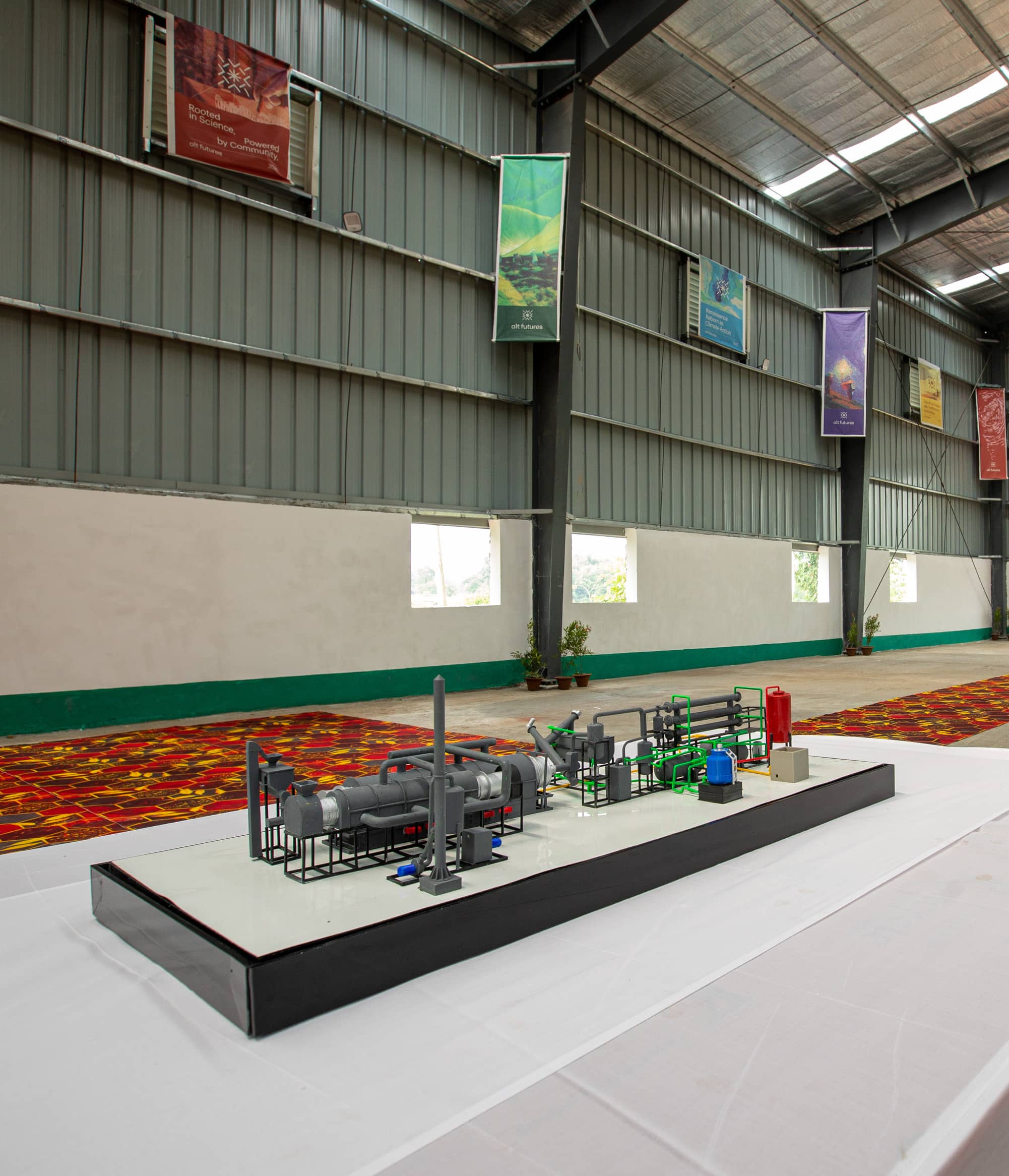
Our first biochar plant is called Nobojagoron (Bengali for Revival & Awakening). We've adopted Pyrolysis technology and the first machine is named, Begum Reactor — after the pioneering Bengali Science Fiction writer Begum Rokeya.
Inventory for the first 3 years on the pilot plant is sold out. We're now scaling capacity, and if you're interested in joining our project, write to us here.
Potential Impact
By 2030 we target:
Annual removal of 500,000+ tonnes of CO₂
Process 1+ million tonnes of agricultural waste annually
Applying biochar amendments to 2 million+ acres of land
Benefit 200,000+ farmers through improved yields, soil health and income
How we work
Biomass Access
We manage an end-to-end supply chain of waste biomass sourced locally from our partners.

Land Access
We leverage familial, regional and institutional ties to onboard small growers and large estates, for biochar deployment.

Science & Technology
We are undertaking constant R&D through our state-of-the-art Darjeeling-Climate Action Lab (D-CAL), partnership with the Indian Institute of Science (IISc, Bangalore), & in-house MRV.

Access to Finance
With strategic partnerships for working capital, our project is bankable, scalable and designed for long-term durability.
Get in Touch
The Bengal Renaissance Project is a tale of hope.
Whether you are a large land-owner, agri-tech startup, a corporate buyer of high-integrity carbon removal, or a community organisation in Bengal, we welcome you to join our journey.